Welcome to week 3’s Family Meeting! This agenda is to help you organize your meeting and family practice session. It includes skills to practice from the week’s lessons, plus SFP activities each person did during the week. You can print this agenda, or have it on a phone, tablet, etc. to look at during the meeting.
NOTE: We recommend you open Family Meeting Agendas on a laptop, computer or tablet during your meeting, so the whole family can follow along.
Each of you should bring this tracking sheet with your entries:
Communication Tracking Form
Family meeting rules:
Use this agenda. One person talks at a time.
Everyone gets a chance to talk, if they want to.
No one puts anyone down.
Keep it short and sweet!
Each week, during your Learn & Earn Lessons, each family member is asked to share ideas. The Family Meeting is a time to review those ideas.
At every meeting:
Compliments: Say something you like about each person
Calendar: List activities or events each person has scheduled for the upcoming week
Past Business: Discuss your SFP activities progress and rewards
New Business: Discuss current SFP goals and practice skills
Value Message: Share pro-social family beliefs
Have Fun! Games and treats/snacks
Repeat This Week’s Power Phrase:
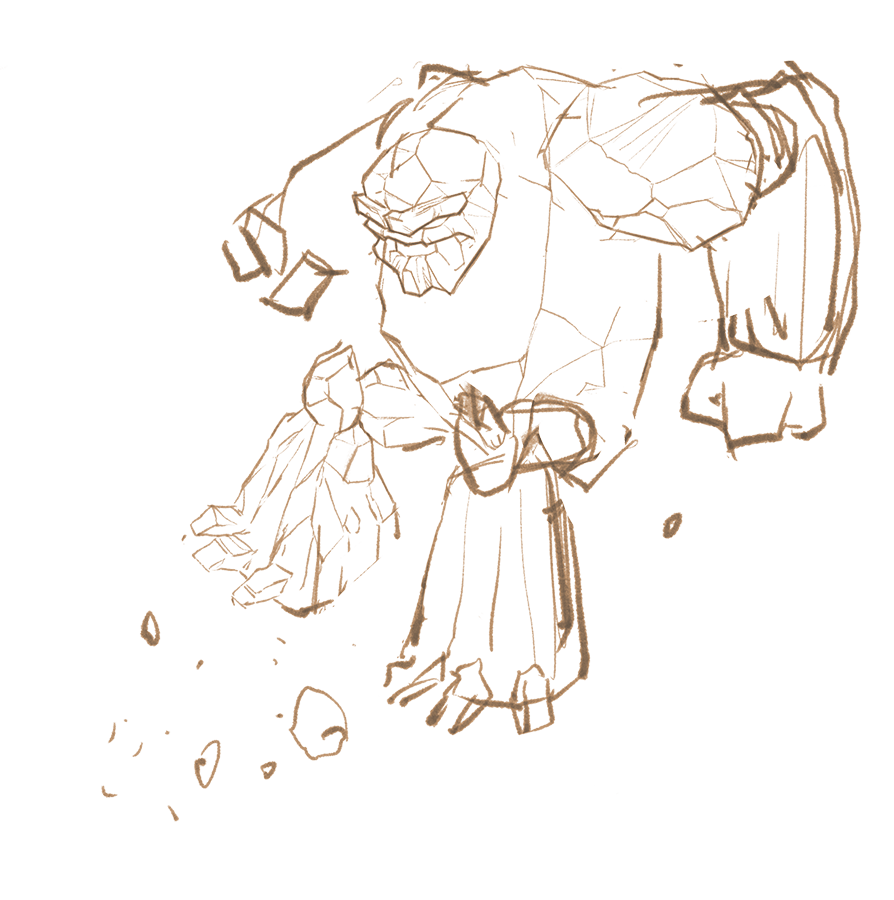
LUV-Listening, respectful I-Messages, and banishing C-Boulders in our family will help us feel more love and peace.
Agenda Item #1: Communication Skills Tracking
Review
This week you learned about how to LUV Listen and speak respectively to each other using respectful I-Messages. These two skills will be some of the BEST things you can master to have a loving family and a happier life! To learn these skills well takes practice – but is worth the effort!
Directions
Look at your families tracking forms from “Communication Tracking”. (If none, or only some family members participated, no worries, as we are practicing these skills during this family meeting. Tracking Good Communication will be an ongoing activity throughout these lessons!)
Look at this tracking form from the Family Activities portion of the site. (If there are no entries in the tables below, or only a few entries from one or two family members, no worries, as we are practicing these skills during this family meeting; and good communication this will be an ongoing activity throughout these lessons.)
Lesson: 3 min:1 mid:2 max:3
Agenda Item #2: C-Boulders Practice
Review
For reference, here are the C-Boulders you learned about:
Sarcasm: Making fun of someone, saying something you pretend you don’t mean in a fake tone (“Oh! You are smarter than we are; you tell US about this!”)
Put-Downs: Unkind remarks that mock, make fun of someone (“Even the dog is better at this than you are!”)
Crabby-Voice: Talking in a mad, mean, or cross voice
Slash and Burn: Yelling, swearing, name-calling, insults (“How stupid can you be?”)
Hostile Criticism: Pointing out faults without love or kindness (“I’ve never seen anyone do a worse job at sweeping the floor than this!”)
Always-Never: Saying “You always do this” or “You never do this” which is usually not true (“You never clean up after yourself! You always leave big messes!”)
Blame-Game: Blaming others (“I would have cleaned the kitchen, but my brother kept bugging me!”)
Mind-Reading: Implying you know a person’s thoughts (“You care more about sports than me!”)
Flooding: Talking on and on about a mistake or problem (“So I reminded you, and you said you would do it, and your sister did it and showed you, and your teacher told me you do this in your class, and…”)
Stonewalling and Gas-Lighting: Refusing to admit you have fault to correct or distorting reality to make others feel like what they’re seeing or feeling isn’t real (“It’s not MY fault that YOU like quiet time early in the morning when I’m just TRYING to get ready for my class!”)
Taking Offense: Getting offended easily when it’s not meant to offend you (“Why are you’re always acting like I’m the bad guy? I’m not talking to you about this any more!”)
Dumping: Bringing up all old past hurts into a current discussion (“Well, of course I don’t want to help with that, when I was still learning you kept grabbing it away and saying I was doing it wrong.”)
Directions
During this meeting, have the family practice respectful communication and discuss the harms of being aggressive or using C-Boulders as you talk. Discussion rule: Don’t point fingers, or name names.
Have everyone in the family sign the “Banish the Boulder” agreement. Each person should agree that he or she will welcome reminders when he or she forgets and uses a C-Boulder.
Family assignment. Name each C-Boulder and give its definition. Then ask what they think the harms are of using it, and what they could say instead. THEN ASK: “Has anyone ever heard this C-Boulder used in our family? Or used it themselves? Raise one finger if you have ever heard or used it.” NEXT say: “Raise five fingers if you are willing to help banish this C-Boulder from our home.”
Print-Friendly Family Activity Sheet:
Lesson: 3 min:1 mid:1 max:1
BONUS ACTIVITY: C-Boulder Game
Directions
Each of you print the C-Boulders PDF or draw boulders on a blank sheet of paper. Also print the C-Boulder cards or simply write each C-Boulder on a sheet of paper.
On the boulders, each of you:
Write down three C-Boulder examples you’ve heard (do not specify the person who used it)
Write down two you’ve used
Once done, cut each out and place them on the table face-up.
As a family:
Cut out the C-Boulder cards or pieces of paper with the each C-Boulder. To play:
Look at the cards on the table. Give the whole family a few minutes to read them all.
Once done, all of you place the C-Boulder card you think is relevant to the example on at least three boulder cut-out (there may be more than one per boulder)
If you still have time, discuss:
Why did you choose that C-Boulder for each example?
What is a more pro-social thing that someone could do or say instead of the example on each boulder?
Remember to always bring each other up with compliments, encouragement and praise. It takes time to learn new skills and every time we slip up, it’s an opportunity to practice these skills. When we see that in ourselves and in others, we can build each other and ourselves up.